
Small-Scale Industrial’s Broad Appeal
The Growing Appeal of Small-Scale Industrial
While mega-warehouses often dominate industrial headlines, a different segment is quietly surging in demand — small-scale, shallow-bay industrial properties. These flexible, multi-tenant spaces (typically under 15,000 sq ft) are becoming a favorite among both users and investors.
Why It’s Hot
- E-commerce and last-mile delivery have boosted demand for smaller, well-located facilities close to population centers.
- Local businesses — contractors, fabricators, specialty suppliers — need affordable, accessible space.
- Limited new supply keeps vacancy rates low and rent growth strong, especially in urban and infill markets.
Investment Advantages
Small-bay industrial offers compelling fundamentals:
- Shorter lease terms (often 2–3 years) allow landlords to capture rent growth quickly.
- Value-add potential through light renovations, upgrades, and better management.
- Attractive yields, with cap rates typically in the 6–8 % range depending on location and asset quality.
- Resilient demand, thanks to a diverse tenant mix and minimal new construction.
Challenges to Consider
Managing these assets is more hands-on — multiple tenants, more leasing activity, and shorter lease durations mean higher operational intensity. Development of new shallow-bay space can also be cost-prohibitive in dense areas due to land and zoning constraints.
The Bottom Line
Small-scale industrial may lack the size of logistics giants, but it delivers consistent performance, strong rent growth, and real entry points for private and mid-sized investors. With limited supply and steady demand, this niche has become one of the most resilient and adaptable corners of the industrial market.
________________________________________________________________________________________________________
As It Pertains To Indy:
The Indianapolis market has become bifurcated:
- Large bulk warehouse space (500,000+ SF) experienced rising vacancy due to years of speculative development.
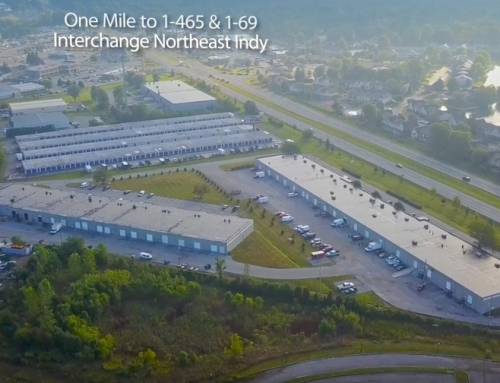
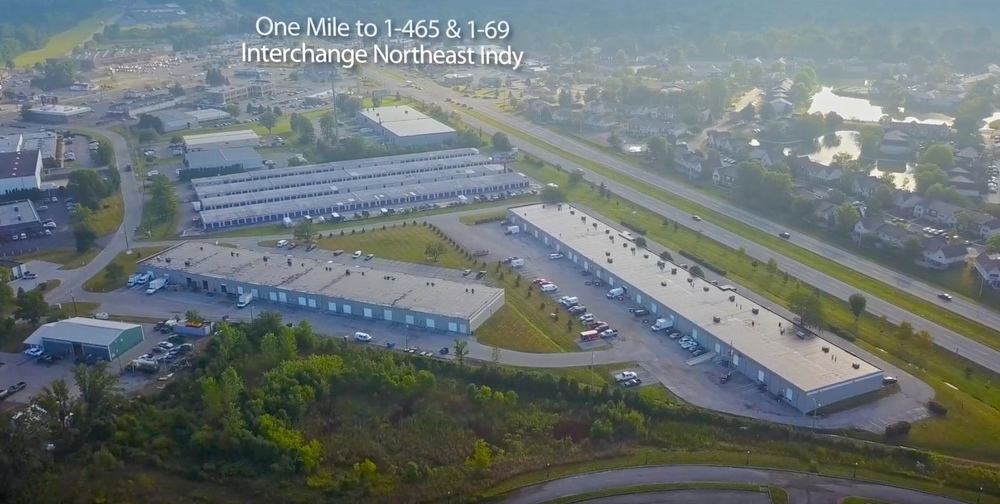
- Small-scale industrial space—typically 1,500 SF to 50,000 SF bays used by contractors, service companies, light manufacturers, e-commerce businesses, distributors, and trades—remains significantly tighter with stronger tenant demand and limited new supply.
Several factors are driving the trend:
1. Indianapolis has a shortage of small-bay product
Most industrial development over the last decade focused on large logistics facilities in areas such as Plainfield, Whitestown, and Mt. Comfort. Very little new inventory was built for smaller users, creating an undersupplied market for businesses needing 2,000–20,000 SF.
2. Small businesses are fueling demand
The tenant pool is incredibly diverse:
- HVAC and plumbing contractors
- Electrical contractors
- Sign companies
- Auto accessory businesses
- E-commerce operators
- Light manufacturers
- Millwork and fabrication shops
- Last-mile distribution users
Because demand comes from hundreds of local businesses rather than a handful of large corporate users, occupancy tends to be more resilient.
3. Indianapolis fundamentals favor this asset class
Recent market reports show:
- Leasing activity is up substantially from 2024 levels.
- Vacancy has been falling.
- New speculative construction has largely slowed.
- Industrial rents continue to rise.
What’s notable is that several analysts point out that small-bay availability is materially lower than overall industrial vacancy in Indianapolis, often below 4% even while the broader market sits closer to 8%.
4. Investors are chasing the sector
Nationally, small-bay industrial has become one of the most sought-after industrial asset types because:
- Tenant demand is deep.
- Rent growth has been strong.
- Limited new supply is coming online.
- Properties are often less exposed to the volatility affecting large distribution centers.
A veteran broker on Reddit recently described small-bay industrial as “the new apartment market” because buyer demand is so intense relative to available inventory. While anecdotal, that sentiment mirrors what many institutional and private investors are saying about the sector.
What this means for Indianapolis specifically
If you’re looking at markets such as:
- Fishers
- Noblesville
- Westfield
- Carmel
- Plainfield
- Greenwood
there is increasing interest in projects offering:
- 1,500–5,000 SF flex bays
- 5,000–20,000 SF shallow-bay industrial
- Contractor condos
- Industrial service centers
- Multi-tenant flex parks
These product types align with the growth of local service businesses and entrepreneurial companies throughout the metro.
For a brokerage like Premier, I would characterize small-scale industrial as more than a trend—it is one of the clearest demand stories in the Indianapolis industrial market today, particularly for owner-users and tenants under 25,000 SF.